

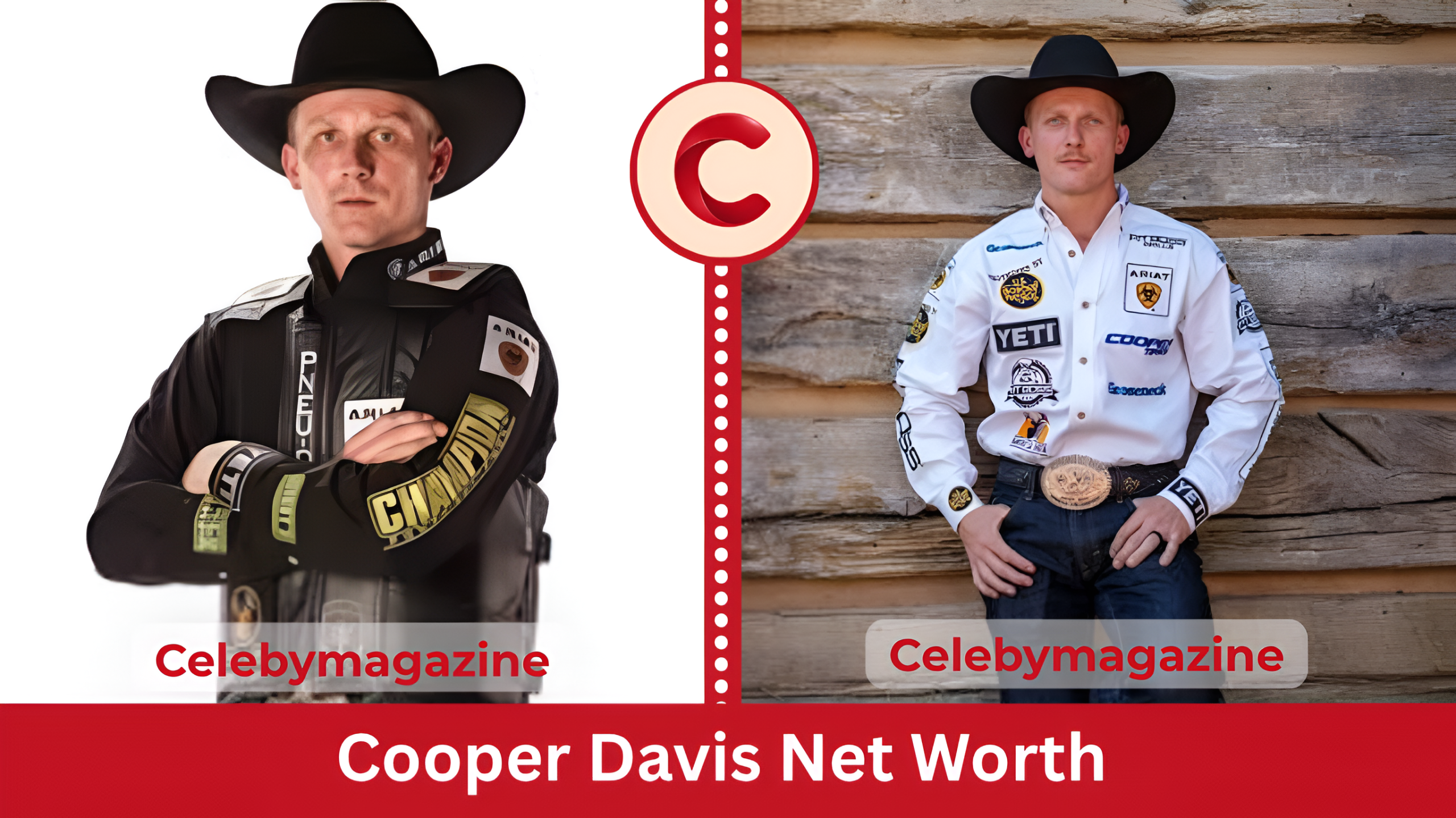
Cooper Davis’ net worth is reasonably estimated between $3 million and $5 million in 2026. The professional bull rider built his financial position through competition winnings, championship bonuses, team payments, sponsorship agreements, public appearances and opportunities connected to his reputation as one of the leading American riders of his generation.
His actual wealth has not been confirmed through public bank records, property disclosures or audited financial statements. The estimated range therefore represents an analysis of his known career success rather than an official accounting figure.
Davis accumulated more than $3.27 million in reported PBR career earnings by 2022. He continued competing after that milestone, became part of the Carolina Cowboys’ 2025 championship season and officially retired from professional bull riding in January 2026. Those achievements make it reasonable to believe his total gross competition income ended considerably higher than the publicly reported 2022 figure.
However, prize money is not the same as net worth. Professional riders must cover travel, entry costs, equipment, training, medical treatment, insurance, management, taxes and everyday family expenses. A rider can earn several million dollars across a career without retaining the entire amount as personal wealth.
Cooper’s financial story is especially interesting because his career was built in one of the most dangerous professional sports. Every major payment depended on his ability to remain healthy, qualify for elite events and stay on a powerful bull for eight seconds.
Cooper Davis Net Worth Quick Answer
| Financial Category | Estimated Details |
|---|---|
| Estimated Net Worth in 2026 | $3 million–$5 million |
| Officially Confirmed? | No |
| Main Wealth Source | Professional bull riding |
| Other Income Sources | Sponsorships, team compensation, broadcasting, appearances and brand partnerships |
| Known Career Prize Earnings | More than $3.27 million had been recorded by 2022 |
| Championship Achievement | 2016 PBR World Champion |
| World Finals Achievement | 2015 PBR World Finals event winner |
| Team Achievement | 2025 PBR Teams champion with the Carolina Cowboys |
| Current Career Status | Retired from professional competition in January 2026 |
| Post-Riding Opportunities | Broadcasting and team management |
| Largest Financial Asset | His championship reputation and long-term personal brand |
| Financial Risk Factors | Injuries, medical expenses, travel costs, taxes and limited competitive years |
Cooper Davis Quick Bio
| Fact | Details |
| Full Name | Cooper Davis |
| Nicknames | Coop and Captain America |
| Birth Year | 1994 |
| Age in 2026 | 32 years old |
| Hometown | Jasper, Texas |
| Nationality | American |
| Profession | Retired professional bull rider, broadcaster and team executive |
| Height | Approximately 5 feet 9 inches |
| Weight During Career | Approximately 150 pounds |
| Famous For | Winning the 2016 PBR World Championship |
| Major Team | Carolina Cowboys |
| Wife | Kaitlyn Davis |
| Son | Mack |
| Residence | Associated with the Dallas, Texas area |
| Retirement | January 2026 |
| Estimated Net Worth | $3 million–$5 million |
PBR’s professional profile lists Davis as a 32-year-old rider from Jasper, Texas, and recognizes him as a world champion, World Finals event champion and PBR Teams champion. It also identifies Kaitlyn as his wife and Mack as his son.
Who Is Cooper Davis?
Cooper Davis is an American former professional bull rider who became one of the most respected competitors in Professional Bull Riders competition.
He is best known for winning the 2016 PBR World Championship, but his career was larger than one championship season. Cooper consistently competed against elite riders and difficult bulls while building a reputation for calmness, preparation and leadership.
Fans and teammates often referred to him as “Captain America.” The nickname reflected his involvement in team competition and his reputation as a dependable rider who could perform under pressure.
Cooper’s journey also demonstrates how different bull riding is from conventional team sports.
A basketball or football player may receive a guaranteed salary under a multiyear contract. A bull rider traditionally depends much more heavily on performance. If he does not qualify, cover his bull or remain healthy enough to compete, his prize income may fall immediately.
That financial uncertainty makes Cooper’s multimillion-dollar career especially notable.
How Much Is Cooper Davis Worth in 2026?
The most realistic Cooper Davis net worth estimate is between $3 million and $5 million.
The lower end allows for the considerable expenses attached to a professional riding career. The upper end recognizes his championship prize money, long competition history, sponsorship potential and likely post-riding income.
An estimate above $7 million would require stronger evidence of substantial private investments, valuable real estate or major business ownership. Such assets may exist, but they have not been publicly established clearly enough to include confidently.
An estimate below $1 million would also appear too conservative considering his official competition earnings and career longevity.
The $3 million to $5 million range therefore balances earning power against professional costs.
Is Cooper Davis’ Net Worth Official?
No. Cooper Davis has not publicly released an official statement confirming his net worth.
Professional sports organizations may record prize earnings, but those records do not reveal:
- Sponsorship payments
- Investment returns
- Property equity
- Business ownership
- Taxes
- Medical expenses
- Outstanding debt
- Management costs
- Household spending
- Retirement savings
Prize records help establish earning capacity, but they cannot show the athlete’s complete financial position.
Any website claiming to know Cooper’s wealth down to an exact dollar should therefore be viewed carefully.
How Cooper Davis Made His Money
Cooper’s wealth was created through several connected income streams.
Bull riding supplied the foundation, while sponsorships, appearances and later broadcasting expanded the financial value of his name.
PBR Competition Winnings
Competition prize money was the most visible source of Cooper Davis’ income.
Professional riders can earn money through individual rounds, event placements, championship standings and special competitions. Major events offer much larger payments than smaller regional contests.
Cooper’s ability to stay competitive across multiple seasons allowed him to accumulate income repeatedly rather than depending on one championship payment.
By 2022, his reported PBR earnings had already exceeded $3.27 million. That amount represented gross competition income before taxes and career expenses.
His continued activity after 2022 added further financial value, even though the exact final career total is not fully displayed in one simple public number.
The Financial Impact of Winning the 2016 World Championship
Winning a world championship can transform a rider’s finances.
The immediate benefit includes championship prize money. The longer-term benefits may be even more valuable.
A world title can lead to:
- Better sponsorship agreements
- Higher appearance fees
- Increased merchandise demand
- More media opportunities
- Greater value at clinics and events
- Long-term recognition after retirement
- Broadcasting opportunities
- Leadership positions within the sport
Cooper’s 2016 title changed him from a successful rider into a permanent part of PBR history.
That distinction continues producing value long after the original championship payment has been spent or invested.
Cooper Davis’ 2015 World Finals Victory
Before winning the world championship, Cooper captured the 2015 PBR World Finals event title during his early elite-level career.
That achievement demonstrated that he could perform under the pressure of the sport’s biggest stage.
A major victory early in a career can accelerate financial growth because sponsors prefer athletes who appear capable of remaining relevant for several years.
The World Finals win also strengthened Cooper’s confidence and public reputation heading into his championship season.
His back-to-back success in 2015 and 2016 formed the most commercially important period of his riding career.
PBR Teams Earnings
The development of team-based PBR competition created another income route for experienced riders.
Cooper became an important member and veteran leader of the Carolina Cowboys. His value extended beyond his individual scores because he could also provide experience, preparation and guidance to younger teammates.
In 2025, the Carolina Cowboys captured their first PBR Teams Championship. Cooper’s involvement allowed him to complete one of the remaining major goals of his career before retiring.
Team competition can provide riders with greater income stability than relying only on individual event results. Contract terms remain private, but team participation may involve salary-style compensation, bonuses or other negotiated benefits.
Sponsorship and Endorsement Income
Sponsorships are especially important in bull riding because competition earnings can be unpredictable.
Brands may pay athletes to display logos on riding shirts, protective equipment, hats, social media posts or promotional material.
A champion such as Cooper can appeal to companies connected to:
- Western clothing
- Cowboy boots
- Agricultural products
- Trucks
- Outdoor equipment
- Protective gear
- Food and beverages
- Fitness products
- Ranching
- Sporting events
Sponsorship arrangements vary greatly.
Some provide cash. Others provide equipment, clothing, travel assistance or performance bonuses. Larger agreements may combine several benefits.
Even when a product arrangement does not provide a large direct payment, reducing equipment and travel expenses can improve an athlete’s retained income.
Brand Value of the “Captain America” Identity
Cooper’s “Captain America” nickname increased the memorability of his personal brand.
Professional athletes become more commercially valuable when audiences can recognize them through a clear identity.
The nickname connected Cooper with leadership, reliability and national team competition. Those qualities are attractive to sponsors because they create a positive story around the athlete.
Personal branding can also survive retirement.
A championship title belongs to the athlete permanently, and a memorable nickname keeps the person recognizable during appearances, commentary and future business projects.
Public Appearances
Cooper may earn additional income through public appearances at rodeos, agricultural events, sponsor functions and fan gatherings.
Appearance fees depend on several factors:
- Event size
- Travel requirements
- Length of participation
- Autograph expectations
- Promotional responsibilities
- Social media posting requirements
- Exclusivity terms
A retired world champion may remain valuable because fans want to meet someone they watched compete.
Appearances also create indirect financial benefits by strengthening sponsor relationships and maintaining public relevance.
Autographs and Fan Experiences
Sports memorabilia creates another possible income stream.
Signed photographs, hats, riding equipment and championship-related items may appeal to bull-riding fans and collectors.
Athletes can also offer personalized videos, meet-and-greet packages or paid fan experiences.
These payments may be small compared with championship winnings, but they can become consistent post-retirement income when managed professionally.
Broadcasting Income
Cooper began exploring broadcasting before fully ending his riding career.
Commentary is a natural transition for experienced athletes because they understand competition in ways that outside presenters cannot.
A former world champion can explain:
- Bull movement
- Rider positioning
- Equipment choices
- Injury risks
- Mental preparation
- Scoring
- Matchup strategy
Cooper’s calm personality and technical knowledge make him suitable for broadcasting.
After retiring in January 2026, he remained involved with PBR through commentary and an assistant general manager role with the Carolina Cowboys.
Broadcasting could become one of his most stable future income sources because it does not require him to risk his body during every event.
Team Management and Executive Work
Cooper’s role with the Carolina Cowboys gives him a path into sports management.
An assistant general manager may contribute to rider evaluation, team strategy, preparation and communication between athletes and leadership.
Management work provides several benefits:
- More predictable income
- A longer career horizon
- Continued involvement in the sport
- Reduced physical risk
- Opportunities to develop executive skills
- A platform for future coaching or leadership roles
This transition may ultimately preserve Cooper’s wealth more effectively than continuing to compete beyond his physical limits.
Social Media Income
Cooper’s public identity also creates opportunities through social media.
A professional athlete can use online platforms to promote sponsors, appearances, merchandise and family-friendly lifestyle content.
Unlike creators who depend entirely on social media, Cooper’s audience grew from athletic achievement. This gives his endorsements additional credibility within the Western sports market.
A sponsorship post from a recognized champion may carry greater authority than a general lifestyle advertisement.
However, social media earnings depend on consistency, engagement and the commercial quality of the audience rather than follower numbers alone.
Merchandise Opportunities
Cooper’s championship identity can support branded merchandise.
Potential products include:
- Hats
- Shirts
- Hoodies
- Signed photographs
- Western accessories
- Limited championship items
- Youth riding merchandise
- Training-related products
Merchandise revenue can be attractive because the athlete may control a larger percentage of the profit than he receives from third-party sponsorships.
The challenge involves production, shipping, inventory and customer service.
A profitable merchandise business requires more than placing a famous name on a shirt. Product quality and reliable fulfillment determine whether fans return.
How Much Did Cooper Davis Earn From Bull Riding?
His total career prize earnings likely exceeded the $3.27 million officially reported by 2022 because he remained involved in competition through the 2025 team season.
That does not mean he personally kept more than $3 million from riding.
Competition earnings may be reduced by:
- Federal income tax
- State tax obligations
- Agent or management fees
- Travel
- Hotels
- Entry expenses
- Equipment
- Trainers
- Physical therapy
- Health insurance
- Medical treatment
- Family travel
- Retirement contributions
A rider who earns $200,000 during a season may retain substantially less after all expenses.
This distinction explains why Cooper’s estimated net worth should not simply equal or exceed his gross career winnings by a large margin.
Why Bull Riders Have High Career Expenses
Bull riding requires constant travel and physical maintenance.
Unlike athletes based in one city, riders may travel repeatedly between events. Flights, rental vehicles, hotels and meals can consume a meaningful portion of earnings.
Equipment also needs replacement.
Professional riding gear may include:
- Protective vests
- Helmets
- Bull ropes
- Gloves
- Spurs
- Boots
- Chaps
- Braces
- Training equipment
The greatest expense may be healthcare.
Injuries are not rare accidents in bull riding. They are expected occupational risks. Even successful riders may experience shoulder damage, broken bones, concussions and long rehabilitation periods.
Injury Costs and Lost Income
Cooper’s career included significant physical setbacks.
A serious injury affects finances in two directions.
First, the athlete must pay for treatment, rehabilitation and recovery. Second, he loses the opportunity to earn prize money while unable to compete.
This lost earning potential can be larger than the medical bill itself.
A rider sidelined during major events may miss:
- Round payments
- Event bonuses
- Championship points
- Sponsor exposure
- Appearance opportunities
- Team compensation
- Future contract leverage
Cooper’s ability to return after injuries helped protect the overall value of his career.
The Financial Value of Retiring at the Right Time
Retirement is not only a physical decision. It is also a financial decision.
Continuing too long can lead to additional injuries, rising treatment costs and reduced performance. Retiring too early may leave valuable earning opportunities unused.
Cooper retired after helping the Carolina Cowboys win the 2025 championship. His official farewell followed in January 2026, allowing him to leave as both an individual world champion and a team champion.
This timing protected his reputation.
Instead of being remembered mainly for declining performances, he closed his riding career after completing an important competitive goal.
That strong final chapter can increase his value in broadcasting, appearances and leadership.
Cooper Davis’ Wife and Family Life
Cooper is married to Kaitlyn Davis, and they have a son named Mack.
His family became an increasingly important part of his public story as his career progressed.
Bull riding places unusual stress on families because every event carries a real injury risk. A spouse may watch a rider enter the arena knowing that one wrong movement could lead to months of recovery.
Family responsibility may have influenced Cooper’s decision to retire while still capable of pursuing safer professional roles.
For another perspective on the private side of a high-level sports family, readers can explore Amy Sherrill’s life during and after her marriage to Tim Duncan.
Who Is Kaitlyn Davis?
Kaitlyn Davis is Cooper’s wife and a visible part of his family support system.
She has appeared in family-centered content, but her identity should not be reduced entirely to her husband’s career.
Being married to a professional bull rider involves managing uncertainty, travel and recovery periods that most sports families never experience.
Kaitlyn and Cooper have presented a family image centered on Western lifestyle, parenthood and support rather than constant entertainment publicity.
Does Cooper Davis Have Children?
Yes. Cooper and Kaitlyn have a son named Mack.
Fatherhood added another dimension to Cooper’s decisions about physical risk and long-term career planning.
Athletes often view danger differently after becoming parents. Competition remains important, but financial security, health and time at home gain greater value.
Cooper’s son also became part of the emotional meaning behind his retirement. Leaving competition did not represent a loss of identity; it allowed him to enter another stage of family and professional life.
Cooper Davis’ House and Lifestyle
Cooper is associated with Texas and has lived a lifestyle closely connected to Western culture.
His public image emphasizes family, travel, riding and outdoor interests more than excessive celebrity luxury.
This does not mean he lacks valuable property or expensive assets. It means his wealth is not marketed primarily through mansions, jewelry and exotic vehicles.
A more controlled lifestyle can help athletes preserve money after retirement.
Professional sports income is often concentrated into a limited number of years. Athletes who maintain extremely expensive habits may struggle when competition income ends.
Cooper’s transition into broadcasting and management reduces that risk by giving him new active income sources.
Does Cooper Davis Own a Ranch?
Cooper is strongly connected to Texas and the Western sports lifestyle, but the size and financial value of any privately owned ranch property should not be guessed.
Ranch ownership can be both an asset and an expense.
Land may appreciate, but owners also pay for:
- Taxes
- Fencing
- Equipment
- Livestock
- Maintenance
- Insurance
- Staff
- Utilities
- Feed
Without clear ownership and debt information, a ranch cannot be included as a precise part of Cooper’s net worth.
Cooper Davis’ Cars and Trucks
Trucks have practical and cultural importance in rodeo communities.
A professional rider may need reliable transportation for long-distance travel, equipment and rural conditions. Sponsor partnerships may also provide access to vehicles.
A vehicle shown publicly is not always fully owned. It could be financed, leased, sponsored or temporarily supplied.
Cars and trucks should therefore not be counted as major net-worth assets without understanding their loan balances and resale values.
Is Cooper Davis a Millionaire?
Yes, Cooper Davis can reasonably be described as a millionaire.
His recorded career earnings, championship history and continued commercial opportunities support that conclusion.
However, being a millionaire does not automatically mean he has several million dollars in cash.
Net worth may include:
- Home equity
- Retirement accounts
- Investments
- Business interests
- Vehicles
- Cash
- Personal property
Debt must then be subtracted.
The description “multimillionaire” is reasonable within the estimated $3 million to $5 million range, but the exact figure remains private.
Could Cooper Davis Be Worth More Than $5 Million?
It is possible.
His wealth could exceed the estimate if he has:
- Valuable real estate
- Successful private businesses
- Strong investment accounts
- Lucrative sponsorship contracts
- Substantial retirement savings
- Ownership in commercial projects
- Long-term team compensation
Those details are not sufficiently public to justify a much higher number.
A responsible estimate should avoid treating every possible asset as confirmed.
Could His Net Worth Be Lower?
Yes.
High career expenses, medical costs, taxes and household obligations could reduce the amount Cooper retained from his prize winnings.
Riders also face unpredictable income. One successful season may be followed by a period of injury or reduced results.
Without information about debts and savings, the lower end of the estimate remains possible.
Career Earnings Versus Net Worth
This distinction is essential.
Career earnings represent money generated through competition.
Net worth represents the value of everything a person owns after subtracting everything owed.
Consider a simplified example:
A rider generates $4 million in prize income across his career. Taxes and professional expenses consume $1.8 million. Household spending and major purchases consume another $800,000. The remaining amount may be invested and grow over time.
His final net worth could be higher or lower depending on those investments, debt and property values.
This is why Cooper’s career earnings do not provide an automatic answer to his net worth.
Cooper Davis Compared With Other PBR Champions
PBR champions can build wealth in several ways.
Some remain active for many years and accumulate large prize totals. Others capitalize on championships through sponsorships, appearances, training programs or business ventures.
Cooper’s advantage lies in the completeness of his career.
He achieved:
- A World Finals event victory
- An individual world championship
- Multiple elite-level seasons
- International team success
- A PBR Teams championship
- A transition into broadcasting
- A management role after retirement
This broad résumé creates more long-term financial options than prize money alone.
How Cooper’s Financial Model Differs From Traditional Athletes
Bull riders do not generally enjoy the same guaranteed contracts available in major American team leagues.
Their finances resemble a combination of athlete and independent business owner.
The rider must often manage:
- Travel planning
- Equipment
- Sponsor relationships
- Healthcare
- Tax preparation
- Training
- Personal branding
- Appearance bookings
Income depends heavily on results and availability.
This makes financial discipline especially important.
Even a successful rider must prepare for injury and a relatively early retirement.
The Importance of Personal Branding
Cooper’s financial future depends partly on whether fans continue recognizing his name after his final ride.
His world championship, “Captain America” identity and respected public image support that recognition.
A strong personal brand can lead to:
- Commentary work
- Sponsor renewals
- Paid speaking
- Clinics
- Merchandise
- Corporate events
- Sports consulting
- Team leadership
Wallo followed a completely different career path, but Wallo’s net worth and media transformation similarly show how a recognizable personal story can become a long-term business asset.
For Cooper, the story centers on courage, championship discipline, leadership and leaving the arena on his own terms.
What Cooper Davis May Do After Retirement
His existing broadcasting and team-management roles provide the clearest path.
He could also expand into:
- Rider coaching
- Youth clinics
- Motivational speaking
- Western-sports commentary
- Sponsor consulting
- Ranching businesses
- Equipment partnerships
- Event promotion
- Digital content
- Team management
Retired champions are valuable because they can translate experience into instruction.
Cooper understands not only how to ride but how to prepare mentally, recover from setbacks and manage championship pressure.
Could Broadcasting Increase His Net Worth?
Yes.
Broadcasting offers a safer and more predictable form of income than riding.
It may also expand Cooper’s recognition beyond fans who followed him during competition.
Regular television exposure can lead to:
- Higher appearance fees
- New sponsors
- Speaking engagements
- Branded content
- Hosting opportunities
- Increased merchandise sales
The financial ceiling may not match a major championship bonus in a single night, but broadcasting can provide steady earnings for many years.
Could Cooper Become a Coach or General Manager?
His assistant general manager role with the Carolina Cowboys suggests that leadership may become a major post-riding career.
Former champions can evaluate talent from a perspective that purely administrative executives may not possess.
Cooper understands how riders respond to pressure and what physical or mental details can affect performance.
A successful management career could eventually become more financially stable than his riding career because it may last for decades rather than a limited athletic window.
How Retirement Changes Cooper Davis’ Income
Retirement removes direct competition winnings but reduces several expenses and risks.
He no longer needs to prepare physically for a full riding schedule or accept the same level of injury exposure.
Travel may continue through broadcasting and team work, but it can be planned within a more predictable professional structure.
His future income mix may include:
- Broadcast salary
- Team-management compensation
- Sponsorships
- Appearances
- Merchandise
- Investments
- Property income
- Clinics or consulting
The transition may initially reduce his highest earning potential while improving stability.
What Could Increase Cooper Davis’ Net Worth?
Several developments could push his wealth higher:
A Long Broadcasting Career
Consistent commentary work could provide reliable annual income.
Senior Team Leadership
A general manager, coach or executive position could improve both income and influence.
Strategic Sponsorships
Long-term partnerships with respected Western brands could continue beyond retirement.
Real Estate Investment
Well-selected property could build equity and generate rental income.
Owned Merchandise
A direct product business could produce better margins than one-time endorsement deals.
Training Programs
Clinics or digital education for young riders could monetize his expertise.
Speaking Engagements
His story of risk, discipline and championship success could appeal to corporate and sports audiences.
What Could Reduce Cooper Davis’ Wealth?
Potential financial risks include:
- Ongoing medical treatment
- Poor investments
- Expensive property maintenance
- Tax problems
- Unsuccessful businesses
- Excessive spending
- Loss of sponsorship relevance
- Limited post-retirement planning
- Debt attached to large purchases
Athletes often struggle financially when they assume peak income will continue forever.
Cooper’s early move into broadcasting and management suggests a more deliberate transition.
Common Misconceptions About Cooper Davis’ Net Worth
His Career Earnings Equal His Net Worth
Prize money does not account for taxes, travel, healthcare and personal spending.
Every Sponsor Pays Him Millions
Many sponsorships provide smaller payments, equipment or promotional support.
Retirement Means He No Longer Earns Money
Broadcasting, management and appearances can continue producing income.
A Championship Guarantees Permanent Wealth
A title creates opportunity, but financial security depends on how money is managed.
Everything Shown Online Is Fully Owned
Vehicles, property and equipment may be financed, sponsored or shared through business arrangements.
Bull Riders Have Few Expenses
Travel and medical costs make professional bull riding an expensive career.
Lessons From Cooper Davis’ Financial Journey
Cooper’s career provides several practical lessons.
A Major Victory Can Create Long-Term Value
The 2016 championship continues supporting his public reputation.
Career Longevity Matters
Repeated successful seasons can generate more wealth than one isolated victory.
Physical Health Is a Financial Asset
An injured rider cannot earn prize money consistently.
Reputation Opens Post-Career Doors
Respect from teammates and fans helped Cooper move into broadcasting and management.
Retirement Timing Matters
Leaving after achieving a team championship protected the strength of his legacy.
Income Diversification Creates Stability
Competition, sponsorships, broadcasting and management provide different financial foundations.
Frequently Asked Questions About Cooper Davis Net Worth
What is Cooper Davis’ net worth in 2026?
Cooper Davis’ net worth is reasonably estimated between $3 million and $5 million.
Is Cooper Davis’ net worth officially confirmed?
No. His complete assets, debts and private financial records have not been publicly disclosed.
Is Cooper Davis a millionaire?
Yes. His competition earnings and wider career make millionaire status a reasonable conclusion.
How did Cooper Davis make his money?
He earned money through professional bull riding, championship prizes, team competition, sponsorships, appearances and broadcasting.
How much did Cooper Davis earn from PBR?
His official PBR career earnings had already passed $3.27 million by 2022, before his final team seasons.
Did Cooper Davis win a world championship?
Yes. He won the PBR World Championship in 2016.
Did Cooper Davis win the PBR World Finals?
He won the PBR World Finals event title in 2015.
Was Cooper Davis part of a team championship?
Yes. He helped the Carolina Cowboys win the 2025 PBR Teams Championship.
Is Cooper Davis retired?
Yes. He officially retired from professional bull riding in January 2026.
Why did Cooper Davis retire?
He retired after completing his goal of winning a team championship and chose to move into the next stage of his career.
What does Cooper Davis do after retirement?
His post-riding work includes broadcasting and an assistant general manager role with the Carolina Cowboys.
How old is Cooper Davis?
He is 32 years old in 2026.
Where is Cooper Davis from?
He is from Jasper, Texas.
What is Cooper Davis’ nickname?
He is widely known as “Captain America” and is also called Coop.
How tall is Cooper Davis?
He is approximately 5 feet 9 inches tall.
How much did Cooper Davis weigh while competing?
His professional profile listed him at approximately 150 pounds.
Who is Cooper Davis’ wife?
His wife is Kaitlyn Davis.
Does Cooper Davis have children?
Yes. He and Kaitlyn have a son named Mack.
Where does Cooper Davis live?
He has been associated with the Dallas, Texas area.
Does Cooper Davis make money from sponsors?
Sponsorships and brand partnerships are likely meaningful parts of his career income.
Does Cooper Davis earn money from television?
His broadcasting work can provide post-retirement television and commentary income.
Is Cooper Davis richer than other bull riders?
He ranks among the more financially successful riders of his generation, although some champions accumulated higher recorded career earnings.
Does Cooper Davis own a ranch?
His Western lifestyle is well established, but the ownership and financial value of any ranch property remain private.
Does Cooper Davis sell merchandise?
His championship name creates merchandise opportunities, although exact sales and ownership details are private.
What was Cooper Davis’ biggest career achievement?
His 2016 PBR World Championship is his most important individual accomplishment.
What is Cooper Davis’ main financial asset?
His championship legacy, public reputation and ability to remain professionally involved in PBR are among his strongest long-term assets.
Could Cooper Davis’ net worth continue growing?
Yes. Broadcasting, team leadership, sponsorships and sensible investments could increase his wealth after retirement.
Why do Cooper Davis net worth estimates differ?
Different estimates make different assumptions about prize money, sponsorship income, expenses, investments and property.
Final Assessment of Cooper Davis’ Wealth
Cooper Davis’ net worth is most reasonably estimated between $3 million and $5 million in 2026.
His financial success began with professional bull riding, but it was strengthened by consistency, championship credibility and a respected personal brand.
He won the 2015 PBR World Finals event, captured the 2016 world championship and completed his competition career after helping the Carolina Cowboys secure the 2025 team title.
Those achievements produced more than prize money. They created a reputation that can continue generating income through broadcasting, management, sponsorships and appearances.
His career also carried considerable financial costs. Travel, training, medical care, taxes and injury-related interruptions reduced the amount of prize revenue that could become permanent wealth.
This is why his net worth should not be calculated by simply adding championship payments.
The strongest part of Cooper’s financial position may now be his successful transition out of competition. He retired with his reputation intact and immediately remained connected to PBR through media and team leadership.
Many athletes struggle after leaving the activity that made them famous. Cooper appears positioned to convert his riding experience into a longer and safer professional chapter.
His final financial legacy will therefore depend less on the value of his last bull ride and more on what he builds after it.
For now, Cooper Davis can reasonably be described as a multimillionaire former world champion whose wealth reflects prize earnings, commercial partnerships and more than a decade of success in one of professional sports’ most physically demanding environments.
