

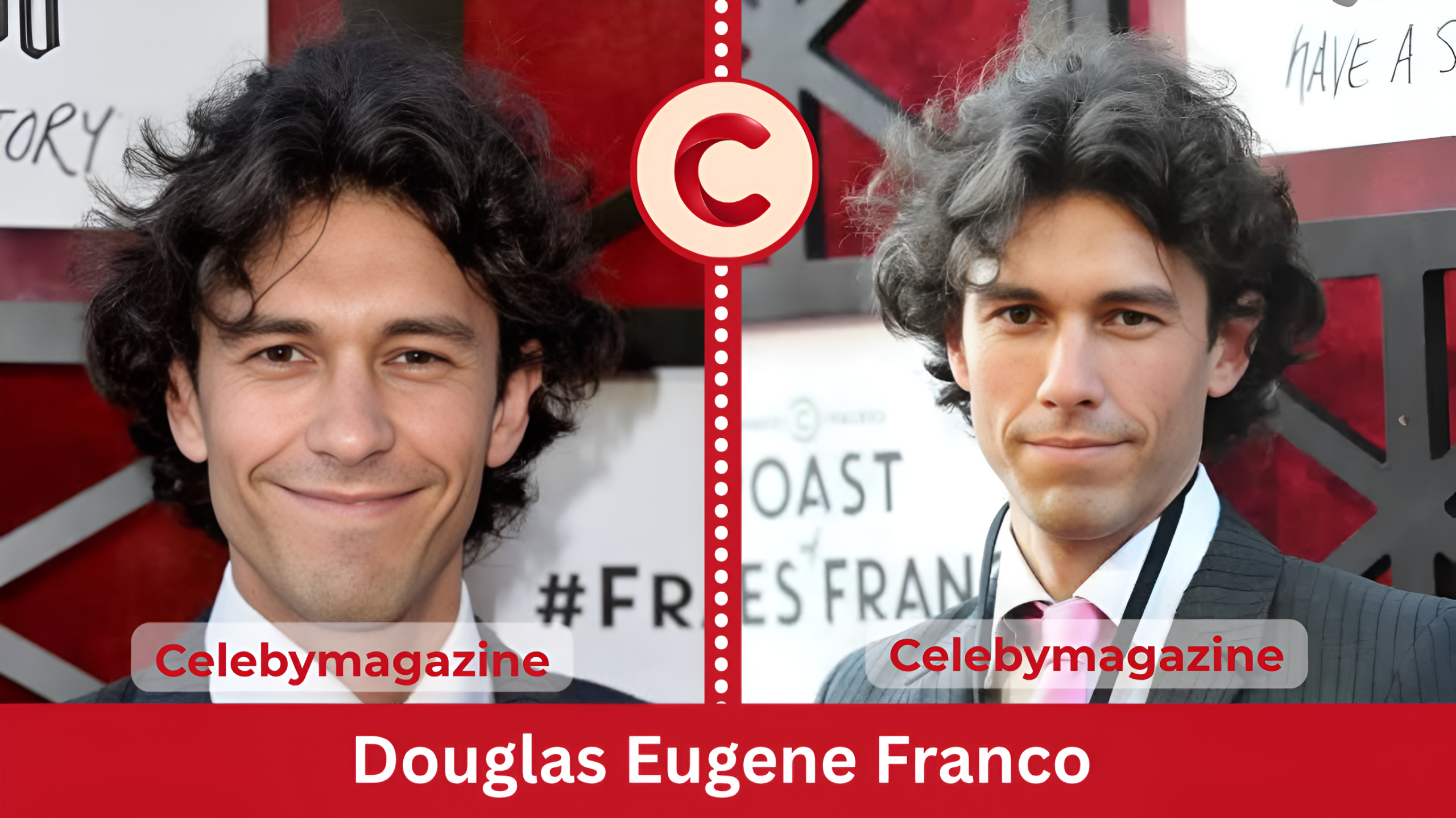
Douglas Eugene Franco was an American entrepreneur, Harvard MBA graduate, humanitarian, husband, and father best known publicly as the parent of actors James Franco and Dave Franco and artist Tom Franco. Although his sons eventually built recognizable careers in film and art, Douglas spent most of his own life outside Hollywood.
Professionally known as Doug Franco, he belonged to the entrepreneurial culture of Silicon Valley. He operated businesses, developed security-related products, and founded a humanitarian organization that supplied aid to communities in developing countries. His work was considerably different from the acting, filmmaking, writing, and visual art pursued by his children.
Douglas was born in Glencoe, Illinois, on February 20, 1948. He later studied at Stanford University, where he met his future wife, writer and artist Betsy Lou Verne. After Stanford, he continued his education at Harvard University and earned an MBA. The couple settled in Palo Alto, California, where they raised three sons: James, Tom, and Dave Franco.
His family became increasingly visible as James and Dave established Hollywood careers and Tom developed his identity as an artist. Douglas did not attempt to turn his relationship with his famous sons into a public brand. Instead, he continued working in business, philanthropy, meditation, and community-oriented projects.
Douglas Eugene Franco died unexpectedly in September 2011 at the age of 63. Contemporary reporting described the cause as a heart attack. His death occurred before several later milestones in his sons’ careers, yet the educational values, creativity, independence, and entrepreneurial thinking associated with the Franco family continue to reflect his influence.
Douglas Eugene Franco Quick Bio
| Fact | Details |
|---|---|
| Full Name | Douglas Eugene Franco |
| Common Name | Doug Franco |
| Date of Birth | February 20, 1948 |
| Place of Birth | Glencoe, Illinois, United States |
| Nationality | American |
| Ancestry | Portuguese and Swedish |
| Profession | Entrepreneur, business owner and humanitarian |
| Famous For | Father of James, Tom and Dave Franco |
| Education | Stanford University and Harvard Business School |
| Qualification | Master of Business Administration |
| Wife | Betsy Lou Verne Franco |
| Marriage Status | Married until his death |
| Children | Three sons: James, Tom and Dave Franco |
| Main Business | SecureBox Corporation |
| Nonprofit Work | Founder of Orchard International |
| Religious or Personal Practice | Meditation |
| Home Base | Palo Alto, California |
| Net Worth | Personal finances remained undisclosed |
| Date of Death | September 26, 2011 |
| Age at Death | 63 years old |
| Reported Cause of Death | Heart attack |
| Burial Location | Palo Alto, California |
| Lasting Legacy | Business innovation, humanitarian service and support for three creative sons |
Who Was Douglas Eugene Franco?
Douglas Eugene Franco was a Silicon Valley entrepreneur who became widely searched because three of his sons entered creative professions.
James Franco became an actor, director, writer, producer, and academic. Dave Franco developed a successful film and television career, while Tom Franco became a visual artist and helped establish an arts collective.
Their achievements created public curiosity about the household in which they were raised.
Douglas was not a movie producer arranging auditions for his children or a talent manager controlling their careers. His professional world centered on entrepreneurship, business education, international aid, and security technology.
That distinction makes his family story especially interesting. His sons did not simply inherit an established Hollywood operation. They grew up in an academically ambitious and creatively active Palo Alto household and then developed individual careers.
Douglas’s life can be understood through several identities:
- A Midwestern-born student who moved to California
- A Stanford graduate
- A Harvard-trained businessman
- A Silicon Valley entrepreneur
- A humanitarian organization founder
- A husband to writer and artist Betsy Franco
- A father who encouraged three different creative paths
- A private individual connected to public entertainment figures
The public often knows Douglas simply as “James Franco’s father.” That description explains search interest, but it does not capture his business education, philanthropy, family influence, or independent professional identity.
Douglas Franco’s Childhood in Illinois
Douglas was born in Glencoe, Illinois, a suburban community located north of Chicago.
His complete childhood history was not documented through a celebrity memoir or extensive media profile. Details about his earliest schools, friendships, and personal ambitions remained largely within the family.
His later educational and professional choices suggest an interest in both structured business thinking and creative environments.
Moving from Illinois to California placed Douglas inside a very different cultural setting. Stanford University was developing into one of the most influential academic institutions connected to American technology, entrepreneurship, engineering, and business.
The move also introduced him to Betsy Verne, whose interests included writing, visual art, poetry, and education.
This combination of business and creativity later became an important feature of the Franco household.
Douglas represented entrepreneurial thinking, formal business education, and practical problem-solving. Betsy brought literature, painting, poetry, performance, and artistic experimentation into the family.
Their sons grew up at the intersection of those two worlds.
His Portuguese and Swedish Ancestry
Douglas Eugene Franco was of Portuguese and Swedish descent.
The Portuguese side of the family has been connected with Madeira, the Portuguese archipelago in the Atlantic Ocean. The Swedish background came through another branch of his family.
James and Dave Franco’s established biographies identify their father as Portuguese and Swedish, while their mother came from a Russian Jewish family. This gave the Franco brothers a multicultural family history involving Southern European, Northern European, and Jewish ancestry.
The surname Franco reflects the paternal side of the family and became internationally recognized through James and Dave’s acting careers.
Ancestry does not explain every part of a person’s identity, but it can influence family traditions, food, names, stories, and the way later generations understand their background.
Douglas did not build a public personality around his ethnicity. His ancestry is mainly discussed because audiences researching his sons want to understand the Franco family’s roots.
Studying at Stanford University
Douglas attended Stanford University, where his personal and professional future began taking shape.
Stanford was important for two major reasons.
First, it gave him the educational foundation that later supported his entrepreneurial career. Second, it was where he met Betsy Lou Verne.
The couple reportedly met during a life-drawing class. That detail is revealing because the setting was creative rather than traditionally corporate. A man who later became a Harvard-trained entrepreneur met his future wife while participating in an art class.
Their meeting demonstrates the mixture of business and art that became central to the family.
Douglas did not limit his education to subjects directly associated with finance or management. His participation in life drawing suggests curiosity beyond conventional business training.
Betsy’s creative interests eventually developed into a career involving children’s literature, poetry, writing, painting, acting, and education.
The relationship that began at Stanford ultimately produced a family in which creativity was treated as a normal form of work rather than an unrealistic hobby.
Douglas’s obituary specifically recalled that he met Betsy in a Stanford life-drawing class before continuing to Harvard for his MBA.
Earning an MBA From Harvard
After Stanford, Douglas attended Harvard Business School and earned a Master of Business Administration.
The qualification placed him among a highly educated group of American business professionals at a time when technology and entrepreneurship were preparing to transform Northern California.
An MBA program can develop knowledge in areas such as:
- Business strategy
- Finance
- Operations
- Marketing
- Organizational leadership
- Negotiation
- Accounting
- Entrepreneurship
- Product development
- Risk management
Douglas later used this type of business knowledge to develop companies and humanitarian projects.
His education also contributed to the academic environment of the Franco household. The children grew up with parents who valued universities, literature, art, professional development, and intellectual exploration.
James Franco later became particularly known for pursuing numerous academic programs alongside his acting career. Although James’s educational path was unusually extensive, the importance placed on study did not emerge from nowhere. It reflected a family environment in which both parents treated education seriously.
How Douglas Met Betsy Lou Verne
Douglas met Betsy Lou Verne while both were students at Stanford.
Betsy, later known professionally as Betsy Franco, became a writer, poet, editor, artist, educator, and occasional actress. She produced numerous books for children and young adults and participated in artistic projects involving her sons.
Their first meeting in a drawing class provides an appropriate beginning for a family that eventually became closely associated with visual art, acting, filmmaking, and writing.
The couple’s interests were different but complementary.
Douglas brought:
- Business strategy
- Entrepreneurial thinking
- Organizational skills
- Technology-related interests
- Philanthropic planning
Betsy brought:
- Writing
- Poetry
- Painting
- Art education
- Storytelling
- Performance
The household did not force the children into one predetermined profession.
James became involved in acting, directing, writing, teaching, and visual art. Tom concentrated heavily on sculpture and collective art projects. Dave focused primarily on acting, directing, and screenwriting.
The variety of those careers suggests that Douglas and Betsy encouraged exploration rather than insisting that every child follow the same path.
Douglas and Betsy Franco’s Marriage
Douglas and Betsy built their married life primarily in Palo Alto, California.
Their relationship lasted until Douglas’s death in 2011. They raised three sons and maintained a household positioned near the center of Silicon Valley while also remaining connected to art, books, and education.
The couple did not build a reality television identity around their family. Most public knowledge about their marriage comes through biographies of their sons, Betsy’s work, and the obituary published after Douglas died.
Their marriage endured through several major family transitions:
- Graduate education
- Business development
- Raising three sons
- James’s early acting ambitions
- Tom’s artistic development
- Dave’s entry into entertainment
- Increasing public attention around the family
- Douglas’s entrepreneurial and humanitarian projects
Betsy continued working creatively after becoming a mother. Douglas likewise maintained his business interests.
Their family therefore offered the children examples of two parents who pursued meaningful professional work while raising a household.
The dynamics differ from stories involving spouses who disappeared entirely behind a famous partner. A profile such as Samantha Winslow’s life alongside composer John Williams similarly shows how creative households can contain separate professional identities rather than one person merely existing as a famous name’s spouse.
Raising Three Sons in Palo Alto
Douglas and Betsy raised James, Tom, and Dave Franco in Palo Alto.
Palo Alto provided an unusual childhood environment. It combined high educational expectations, technological entrepreneurship, wealthy communities, university culture, artistic opportunities, and proximity to San Francisco.
The household itself was intellectually and creatively active.
James has described being academically capable but also independent and occasionally rebellious during adolescence. He later pursued acting after initially enrolling at the University of California, Los Angeles.
Tom followed a strongly visual path, becoming an artist and helping build community-based art projects.
Dave, the youngest, initially considered writing and teaching before being introduced to acting.
Douglas appears to have allowed each son to develop independently.
He did not create a family company requiring them to become business executives. He also did not discourage them from choosing uncertain creative careers simply because he held an MBA and worked in Silicon Valley.
That willingness to support different paths may be one of his most important contributions as a father.
Douglas Eugene Franco’s Children
Douglas had three sons with Betsy Franco:
- James Edward Franco
- Thomas Andrew Franco
- David John Franco
Each son developed a distinct professional identity.
James Franco
James Franco was born on April 19, 1978, in Palo Alto.
He became the most publicly recognizable member of the family through acting roles in television and film. His early breakthrough came with Freaks and Geeks, followed by major projects including:
- James Dean
- The original Spider-Man trilogy
- Pineapple Express
- Milk
- 127 Hours
- Rise of the Planet of the Apes
- Spring Breakers
- The Disaster Artist
James received an Academy Award nomination for playing Aron Ralston in 127 Hours. He also pursued directing, writing, teaching, graduate education, and visual art.
His career has included significant acclaim as well as public controversy. Those later events belong to James’s own adult biography and should not be transferred automatically to his father.
Douglas died in 2011, the same year James co-hosted the Academy Awards and received his Best Actor nomination.
A public figure’s family is often judged through the famous relative’s later decisions. Yet parents and adult children remain separate individuals with different responsibilities.
The importance of keeping family identities distinct also appears in Henry Olyphant’s private life as Timothy Olyphant’s son. A family relationship explains public interest but does not make one individual’s career or choices identical to another’s.
Tom Franco
Thomas Andrew Franco was born on April 14, 1980.
Unlike his brothers, Tom developed his identity primarily through visual art rather than mainstream film acting.
He studied art and became associated with sculpture, mixed-media work, collaborative projects, and the Firehouse Art Collective in the San Francisco Bay Area.
Tom’s career may reflect the creative environment of the Franco home more directly than either brother’s Hollywood work.
His mother was a writer and artist. His father had met Betsy during an art class and continued to value creative exploration alongside business.
Tom demonstrated that the family’s creativity was not limited to acting.
He occasionally appeared in film-related projects and became publicly recognizable because of his brothers, but his main professional identity remained connected to community art.
Douglas’s support for Tom is particularly meaningful because visual art does not always offer predictable income or conventional professional milestones.
Encouraging an artist requires accepting uncertainty, experimentation, and a definition of success that may differ from corporate achievement.
Dave Franco
David John Franco was born on June 12, 1985, making him the youngest of Douglas and Betsy’s sons.
Dave developed a successful acting career with projects including:
- Scrubs
- 21 Jump Street
- Now You See Me
- Neighbors
- The Disaster Artist
- Nerve
- The Afterparty
He later expanded into directing and screenwriting.
Dave’s career developed after James had already become famous, which created both opportunities and challenges. The Franco surname could attract attention, but it also invited constant comparison.
Dave gradually established a separate acting style and professional identity.
He married actress Alison Brie and collaborated with her on creative projects. His directorial work demonstrated an interest in moving beyond acting, echoing the family’s broader tendency to explore several creative roles.
Douglas died when Dave was still in the earlier stages of his career. He did not live to see all of Dave’s later accomplishments as an actor and director.
A Father of Three Very Different Creatives
Douglas’s three sons did not become identical versions of one another.
James became a highly visible multidisciplinary actor and filmmaker.
Tom built a community-oriented visual art career.
Dave became an actor and director with a style distinct from his older brother.
This variety suggests that Douglas did not define success narrowly.
A highly educated businessman could easily have expected his children to enter finance, technology, law, or corporate management. Instead, all three moved toward creative work.
Parenting creative children often involves accepting risks that cannot be calculated easily.
An acting audition may not produce work. A sculpture may not sell. A film project may fail. Public criticism can be intense.
Douglas’s willingness to support those directions indicates that his entrepreneurial thinking probably extended beyond business. Entrepreneurship and art both require experimentation, confidence, resilience, and comfort with uncertainty.
Douglas Franco’s Silicon Valley Career
Douglas worked as an entrepreneur in Silicon Valley.
The term “Silicon Valley business” is sometimes repeated without explanation, but his obituary provides more specific insight into his activities.
He founded SecureBox Corporation, a company associated with a product intended to improve port safety and security. He also founded Orchard International, a humanitarian organization that sent aid to developing countries.
These ventures show two different sides of his professional interests.
SecureBox reflected:
- Product innovation
- Security concerns
- International shipping
- Technology-related entrepreneurship
- Commercial problem-solving
Orchard International reflected:
- Humanitarian service
- Global responsibility
- Charity organization
- Distribution of needed supplies
- Community support
Douglas therefore combined profit-oriented business thinking with nonprofit work.
His career was not documented as extensively as the careers of famous technology founders. There is no widely circulated corporate biography detailing every company, investment, or executive title he held.
The information that survives nevertheless presents him as someone who attempted to use organizational and business skills for both commercial and humanitarian purposes.
What Was SecureBox Corporation?
SecureBox Corporation was one of the business ventures founded by Douglas Franco.
The company worked on a security device connected with shipping ports. Ports are critical parts of international trade because enormous quantities of goods move through standardized cargo containers.
The security of those containers can involve concerns such as:
- Smuggling
- Theft
- Unauthorized access
- Tampering
- Terrorism
- Contraband
- Supply-chain disruption
- Inspection efficiency
Douglas’s product was described at the time of his death as something expected to contribute to port safety.
The exact commercial performance, patent history, contracts, and later status of the company are not clearly documented in mainstream public records.
It would therefore be misleading to present SecureBox as a massive established corporation or assign it an invented valuation.
Its importance in Douglas’s biography lies in what it reveals about his interests. He was engaged with practical global infrastructure problems and attempted to create technology-based solutions.
Orchard International and Humanitarian Work
Douglas also founded Orchard International.
The organization sent humanitarian aid to communities in developing nations. His obituary connected the organization with his generous nature and regular meditation practice.
This work adds depth to his public image.
He was not simply an MBA graduate focused on commercial growth. He appears to have considered how business organization, logistics, and distribution could be used to help people with limited resources.
Humanitarian aid can involve:
- Medical supplies
- Clothing
- Educational materials
- Food
- Tools
- Emergency resources
- Equipment
- Community partnerships
The exact countries and projects supported by Orchard International are not extensively documented in accessible public profiles.
Nevertheless, founding an organization required more than expressing concern. It involved administration, fundraising, partnerships, transportation, and sustained planning.
Douglas’s philanthropic interests also provide another perspective on the values present within the Franco family.
Meditation and Personal Values
Douglas was described as an avid practitioner of meditation.
Meditation may seem unrelated to business entrepreneurship, but the two can influence one another.
A regular practice can support:
- Concentration
- Emotional control
- Patience
- Reflection
- Stress management
- Decision-making
- Awareness of personal values
His meditation practice was specifically connected in his obituary with the generous spirit that led him to establish Orchard International.
This detail helps distinguish Douglas from the stereotype of a Silicon Valley businessman concerned only with competition and financial growth.
His life appears to have combined ambition with reflection.
That balance may also have affected his parenting. Raising three intellectually curious and creatively independent sons required patience and an ability to accept paths he could not fully control.
Was Douglas Eugene Franco an Actor?
Douglas Eugene Franco was not known as a professional actor.
There is no established filmography, television career, or stage résumé attached to him.
Confusion can arise because:
- Two of his sons became famous actors.
- His wife occasionally acted.
- The Franco family participated in creative projects.
- Online databases often connect family members automatically.
- The surname became strongly associated with Hollywood.
Douglas’s profession remained centered on business and humanitarian activity.
This distinction is useful because celebrity-family biographies often assign an entertainment role to every relative, even when the person’s actual career developed in a completely different field.
Douglas belonged to the business and nonprofit side of the family story.
His Role in the Franco Family’s Creative Success
It would be impossible to measure exactly how much Douglas contributed to his sons’ later success.
Parents can provide opportunities, stability, encouragement, criticism, education, connections, and financial support. Yet adult careers also depend on individual talent, discipline, timing, and personal decisions.
Douglas’s influence appears strongest in several areas.
Education
He earned degrees from Stanford and Harvard, reinforcing the value of serious academic work.
Entrepreneurship
He demonstrated that a person could create organizations rather than waiting for established institutions to provide a career.
Independence
Each son pursued a different form of creativity.
Risk Tolerance
Business startups and artistic careers both require accepting uncertainty.
Social Responsibility
Orchard International showed that professional skills could serve humanitarian goals.
Multidisciplinary Thinking
Douglas did not restrict himself to one area, and his sons later combined multiple professional roles.
The family dynamic can be compared with other households where private relatives contributed to public success. Tracey Lynne Turner’s family and production background illustrates how the less visible person in an entertainment family can still influence the stability and development surrounding a public career.
Douglas Eugene Franco’s Net Worth
Douglas Eugene Franco’s net worth was never publicly confirmed.
He founded businesses and held a Harvard MBA, but those facts do not provide enough information to calculate his wealth.
A valid net-worth estimate would require details about:
- Company ownership percentages
- Business revenue
- Patents
- Investments
- Real estate
- Retirement accounts
- Debts
- Taxes
- Charitable contributions
- Insurance
- Estate distribution
None of those records has been released in a complete public financial profile.
Some entertainment websites may attach a multimillion-dollar estimate to Douglas because his sons later became wealthy actors.
That approach is unreliable.
James and Dave’s career earnings belong to them. Their later wealth cannot be treated as proof of Douglas’s financial position in 2011.
Douglas probably achieved a comfortable professional life in Palo Alto, but the region also carried high living costs. Business ownership can create valuable assets, yet it can also involve debt, development expenses, and uncertain returns.
The most accurate description is that Douglas was a successful and highly educated entrepreneur whose exact net worth remained private.
Did His Sons Inherit His Wealth?
The terms of Douglas Franco’s estate were not publicly disclosed.
His assets may have passed to Betsy, his sons, trusts, charitable causes, business partners, or a combination of beneficiaries.
Without a public will or family statement, no specific inheritance should be assigned to James, Tom, or Dave.
Inheritance may include:
- Property
- Company shares
- Cash
- Investments
- Personal belongings
- Intellectual property
- Insurance proceeds
- Trust assets
The wealth later accumulated by James and Dave came largely through their own entertainment careers.
Assuming that a public figure’s fortune came from a parent can overlook years of professional work and may also exaggerate the parent’s wealth.
This is a recurring issue in celebrity-family profiles. The discussion of Debraca Denise and Redd Foxx’s estate offers another example of why family wealth, inheritance, and personal net worth must be treated as separate subjects.
Douglas Franco’s Death in 2011
Douglas Eugene Franco died on September 26, 2011.
He was 63 years old.
His death was unexpected, and contemporary reports identified a heart attack as the cause. James Franco’s mother publicly confirmed the family’s loss, while entertainment publications reported the death shortly afterward.
Douglas’s passing came during a major period in James Franco’s career.
James had recently appeared in 127 Hours, received an Academy Award nomination, and co-hosted the Oscars. Dave was continuing to build his acting career, while Tom remained active in visual art.
The timing meant Douglas died before seeing many later family achievements.
He did not live to witness:
- Dave’s larger film roles
- Dave’s directing career
- James’s work in The Disaster Artist
- Tom’s continued arts-community development
- Dave’s marriage to Alison Brie
- Later collaborations among family members
The loss also removed a central figure from a family that was becoming increasingly visible.
How the Franco Family Responded
The family kept much of its grief private.
Betsy acknowledged Douglas’s death publicly, and news reports confirmed that James had lost his father. However, the family did not turn the loss into an extended media event.
Douglas’s obituary focused on his personality, education, family support, meditation, entrepreneurship, and humanitarian service.
It described him as a supportive father whose qualities could be seen through his three sons.
This emphasis is significant.
The obituary did not define him primarily through celebrity. It presented him as a husband, father, entrepreneur, meditator, and generous person.
The tone suggests that his family valued his private character more than his indirect Hollywood recognition.
Douglas Eugene Franco’s Lasting Legacy
Douglas’s most visible legacy is his family, but it extends beyond the careers of his sons.
His legacy includes:
- A marriage built around education and creativity
- Three sons encouraged to follow different paths
- Entrepreneurial work in Silicon Valley
- Security-related product development
- Humanitarian support through Orchard International
- A commitment to meditation
- An example of combining ambition with service
- A multicultural family history
His sons’ careers reflect parts of this legacy differently.
James inherited the tendency to move across many fields.
Tom represents the family’s interest in community art.
Dave demonstrates disciplined development and a willingness to expand from acting into directing.
None of those careers can be credited entirely to Douglas. However, the environment he helped create clearly offered intellectual freedom and encouragement.
Why People Still Search for Douglas Eugene Franco
Interest in Douglas continues because audiences want to understand the families behind famous performers.
James and Dave Franco did not emerge from an established acting dynasty. Their father worked in business, while their mother worked across literature and art.
That background raises several natural questions:
- What did James Franco’s father do?
- Was Douglas Franco wealthy?
- Did he work in Hollywood?
- How did he meet Betsy Franco?
- How many sons did he have?
- Was he related to Dave Franco?
- What businesses did he found?
- How did he die?
- What influence did he have on his children?
The answers reveal a person whose life was independently substantial.
Douglas did not need a film career to be accomplished. He completed elite university programs, founded organizations, raised three children, developed a security business, and supported humanitarian work.
Common Misconceptions About Douglas Eugene Franco
Douglas Franco Was a Hollywood Actor
He was an entrepreneur and humanitarian, not a professional actor.
James Franco Was His Only Child
Douglas had three sons: James, Tom, and Dave.
Dave Franco Was James’s Only Brother
James also has a brother named Tom Franco, a visual artist.
Douglas Built His Wealth Through His Sons
His business career began independently of their entertainment work.
He Managed James and Dave’s Careers
There is no established record identifying Douglas as their professional manager.
He Studied Only Business
Douglas attended Stanford and met Betsy in a life-drawing class before earning his Harvard MBA.
Orchard International Was a Commercial Company
It was created to send humanitarian aid to developing countries.
SecureBox Was an Acting Production Company
SecureBox Corporation was connected with port and shipping security.
Douglas’s Exact Net Worth Is Known
No reliable financial statement establishes a specific figure.
He Died at an Advanced Age
Douglas was only 63 when he died unexpectedly.
His Cause of Death Was Cancer
Contemporary reporting described his death as resulting from a heart attack.
Douglas and Betsy Had Divorced
They remained married until his death.
Frequently Asked Questions About Douglas Eugene Franco
Who was Douglas Eugene Franco?
Douglas Eugene Franco was an American entrepreneur, Harvard MBA graduate, humanitarian, and the father of James, Tom, and Dave Franco.
Why was Douglas Eugene Franco famous?
He became publicly known primarily because his sons James and Dave developed successful acting careers and Tom became an artist.
What was Douglas Eugene Franco’s nickname?
He was commonly known as Doug Franco.
When was Douglas Eugene Franco born?
He was born on February 20, 1948.
Where was Douglas Eugene Franco born?
He was born in Glencoe, Illinois, United States.
What was Douglas Franco’s nationality?
He was American.
What was Douglas Eugene Franco’s ethnicity?
He had Portuguese and Swedish ancestry.
Was Douglas Franco Portuguese?
Part of his family background was Portuguese, with roots commonly connected to Madeira.
Where did Douglas Franco attend college?
He attended Stanford University and later studied at Harvard Business School.
Did Douglas Franco graduate from Harvard?
Yes. He earned a Master of Business Administration from Harvard.
How did Douglas Franco meet his wife?
He met Betsy Lou Verne during a life-drawing class at Stanford University.
Who was Douglas Eugene Franco’s wife?
His wife was writer, poet, artist, and children’s author Betsy Lou Verne Franco.
Was Douglas Franco still married when he died?
Yes. He and Betsy remained married until his death in 2011.
How many children did Douglas Eugene Franco have?
He had three sons: James, Tom, and Dave Franco.
Was James Franco Douglas Franco’s oldest son?
Yes. James was the eldest of Douglas and Betsy’s three sons.
Who was Douglas Franco’s middle son?
His middle son is Thomas Andrew Franco, commonly known as Tom Franco.
Who was Douglas Franco’s youngest son?
Dave Franco is his youngest son.
Was Douglas Eugene Franco an actor?
No. He was not known as a professional actor.
What did Douglas Franco do for a living?
He worked as an entrepreneur and business owner in Silicon Valley.
What company did Douglas Franco establish?
He founded SecureBox Corporation, which developed a product connected with port security.
What was SecureBox Corporation?
SecureBox was a business associated with security technology intended to improve the safety of shipping ports and cargo.
What was Orchard International?
Orchard International was a humanitarian organization founded by Douglas to send aid to developing countries.
Was Douglas Franco involved in charity?
Yes. His work through Orchard International demonstrated a strong interest in humanitarian assistance.
Did Douglas Franco practice meditation?
Yes. His obituary described him as an avid practitioner of meditation.
Did Douglas Franco live in Palo Alto?
Yes. He and his family were long associated with Palo Alto, California.
Did Douglas Franco raise his children in California?
Yes. James, Tom, and Dave grew up primarily in Palo Alto.
Did Douglas encourage his sons to act?
Detailed private conversations are unknown, but his family described him as supportive, and all three sons were able to pursue creative careers.
Did Douglas Franco manage James Franco?
There is no confirmed record identifying Douglas as James’s professional manager.
Was Douglas Franco wealthy?
He was a Harvard-educated Silicon Valley entrepreneur, but his exact financial position was never publicly disclosed.
What was Douglas Eugene Franco’s net worth?
His net worth remains undisclosed. Specific amounts published online are speculative.
Did James and Dave inherit money from Douglas?
The details of Douglas’s estate and any inheritance remain private.
When did Douglas Eugene Franco die?
He died on September 26, 2011.
How old was Douglas Franco when he died?
He was 63 years old.
What was Douglas Eugene Franco’s cause of death?
Contemporary reports stated that he died from a heart attack.
Where was Douglas Franco buried?
He was buried in Palo Alto, California.
Was Douglas Franco alive during James’s Oscar nomination?
Yes. James received his 127 Hours nomination in early 2011. Douglas died later that year.
Did Douglas see Dave Franco become famous?
He saw the early development of Dave’s acting career but died before many of Dave’s largest film and directing achievements.
Who are Douglas Franco’s grandchildren?
Detailed information about grandchildren connected to Douglas’s three sons remains limited and should be treated as private unless confirmed by the family.
Is Douglas Franco related to Alison Brie?
He became connected to Alison Brie posthumously through Dave Franco’s marriage to her. Douglas died several years before Dave and Alison married.
Did Douglas appear in any of James Franco’s films?
There is no recognized acting credit establishing Douglas as a performer in James’s major films.
Why is there limited information about Douglas Franco?
He was a private businessperson rather than an entertainment celebrity. Most public interest developed through his sons.
What was Douglas Franco’s greatest achievement?
His achievements included earning degrees from Stanford and Harvard, developing businesses, founding a humanitarian organization, and raising three sons who established independent creative careers.
Conclusion: The Businessman Behind the Franco Family
Douglas Eugene Franco is remembered publicly as the father of James, Tom, and Dave Franco, but his own life contained far more than a connection to Hollywood.
Born in Glencoe, Illinois, in 1948, Douglas moved into an academically demanding and entrepreneurial world. He attended Stanford University, met Betsy Lou Verne in a life-drawing class, and later earned an MBA from Harvard.
Those experiences helped shape a household where business, art, literature, education, and experimentation existed together.
Douglas developed his career in Silicon Valley rather than entertainment. He founded SecureBox Corporation and worked on technology intended to improve port security. He also established Orchard International to send humanitarian aid to communities in developing countries.
His meditation practice and nonprofit work reveal a man whose ambitions were not limited to commercial success.
At home, Douglas and Betsy raised three sons with noticeably different creative identities.
James became an actor, director, writer, and academic. Tom became a visual artist and arts-community organizer. Dave built a successful acting career before expanding into directing.
Douglas did not force them toward one definition of achievement. The variation in their careers suggests that the Franco household gave each child room to experiment.
His exact net worth remains unknown. Being a Silicon Valley entrepreneur and Harvard graduate does not justify attaching an unsupported multimillion-dollar figure to his name. His finances, business valuations, assets, and estate arrangements stayed private.
Douglas died unexpectedly from a reported heart attack on September 26, 2011, at only 63 years old.
His death meant he missed many later milestones in his sons’ lives. Yet the principles associated with his biography remain visible: education, independence, curiosity, entrepreneurial thinking, creativity, meditation, and social responsibility.
Douglas Eugene Franco was not an actor standing in front of cameras. He was part of the foundation behind a family that later became widely recognized.
His sons created their own achievements, but they did so after growing up with a father who demonstrated that meaningful work could include business innovation, humanitarian service, intellectual exploration, and support for unconventional ambitions.
That combination forms Douglas Franco’s most lasting legacy.
